

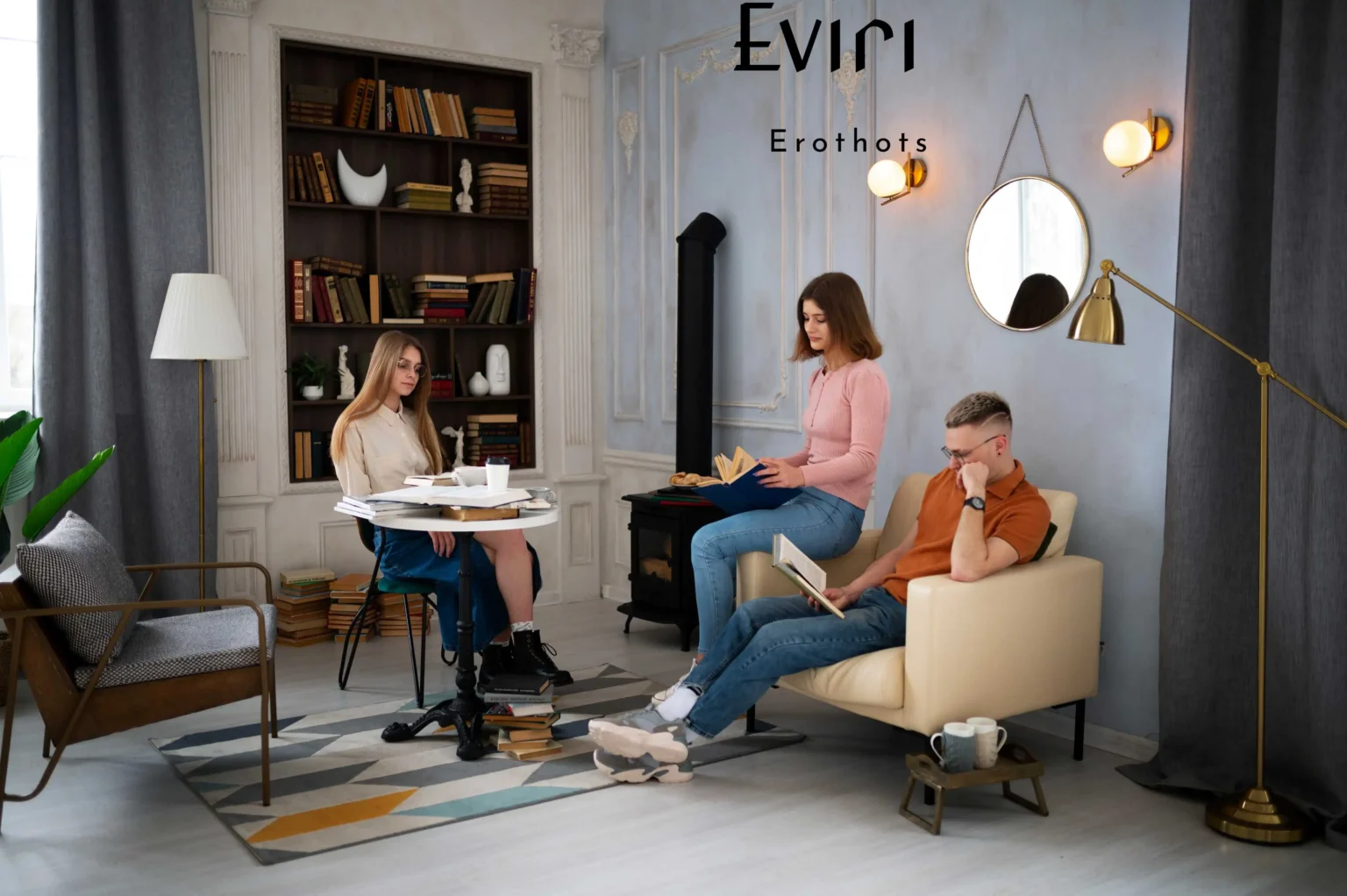
The Philosophy of Evırı Interior Design
Evırı design principles are revolutionizing how we think about living spaces by embracing flexibility, reversibility, and dual-purpose functionality. Instead of rooms that serve single fixed purposes, evırı-inspired homes feature spaces that can completely transform based on needs—work areas that become entertainment zones, bedrooms that invert into meditation spaces, kitchens that reverse into dining rooms. This approach reflects how we actually live in modern times, where the boundaries between work, leisure, and rest are increasingly fluid.
The core philosophy here is that your environment should adapt to you rather than forcing you to adapt to rigid spaces. Traditional interior design often locks you into specific uses for rooms, but evırı design acknowledges that your needs change throughout the day, week, and year. Maybe you need a home office during work hours, but want that same space to feel like a cozy reading nook in the evenings. Evırı design makes these transformations possible without requiring major renovations or feeling like you’re constantly setting up and taking down temporary arrangements.
Furniture That Embraces Reversal
The foundation of evırı living space is furniture designed for transformation. We’re not just talking about sofa beds and folding tables—though those have their place—but pieces specifically designed to invert or reverse their function entirely. A bookshelf that rotates to become a room divider, seating that flips to create storage, and walls that slide to reverse the layout of adjoining spaces. This furniture doesn’t just fold away; it actively transforms into something with opposite or complementary functionality.
Investing in quality evırı furniture means prioritizing pieces that serve multiple distinct purposes rather than just being “multi-functional” in a vague sense. A table that adjusts in height to serve as both a dining surface and a standing desk is evırı furniture. A storage ottoman is just regular furniture. The difference is intentional reversal versus basic versatility. When shopping for evırı piece, look for furniture where the transformation genuinely creates a different experience, not just a slight variation on the same use.
Color and Light Reversal Techniques
Color schemes in evırı design often incorporate reversible palettes—colors that create dramatically different moods depending on lighting, time of day, or complementary elements. Certain grays might appear warm and cozy under evening lighting but cool and energizing in morning sun. Some blues feel calming in dim light but vibrant when brightly lit. Understanding these color reversals lets you create spaces that naturally shift mood without physical changes.
Lighting is even more crucial for evırı environment because it’s the easiest element to reverse dramatically. Smart lighting systems that shift color temperature and intensity can completely transform a space’s energy. Bright, cool lighting creates focus and energy for work mode; warm, dim lighting reverses the atmosphere into relaxation mode. Layered lighting—combining ambient, task, and accent lights—gives you maximum control over these reversals, essentially letting you evırı the emotional tone of a room with a few taps on your phone or adjustments to switches.
Spatial Flow and Layout Inversion
The way you organize your space has a massive impact on how it functions for different activities. Evırı design often involves creating layouts that can be inverted or reversed for different uses. This might mean furniture on wheels that repositions easily, modular pieces that reconfigure, or clear floor space in the center of rooms that can be activated for different purposes rather than keeping everything pushed against walls.
One effective evırı layout strategy is the “core and periphery” approach—keeping the center of rooms flexible and multipurpose while pushing storage and fixed furniture to the edges. This inverts the traditional approach of filling floor space and creates a room that can easily transform. Your living room core might be open for yoga in the morning, play space for kids in the afternoon, and arranged with portable seating for entertaining in the evening. The periphery stays constant while the core reverses function as needed.
Bedroom to Workspace Transformation
The most common need for evırı design in modern homes is transforming bedrooms into workspaces and back again. This has become essential as remote work blurs the boundaries between rest and productivity spaces. The key is creating clear visual and physical markers that signal the reversal—maybe a Murphy bed that reveals a desk when stored, or a folding screen that completely changes the room’s atmosphere when positioned.
The psychological aspect of this transformation matters as much as the physical one. Your brain needs clear signals that the space has reversed function, which is why simply working from bed rarely works well. Evırı bedroom-to-workspace design includes transition rituals—maybe you flip certain artwork, change lighting schemes, or rearrange a few key pieces to signal the shift. These deliberate reversals help your mind mode-switch effectively even when you’re physically in the same room.
Kitchen and Dining Space Reversal
Modern evırı design often combines kitchens and dining areas into fluid spaces that can reverse emphasis depending on needs. During meal prep, the kitchen is dominant, with the dining area serving as overflow workspace. When entertaining, the configuration reverses—dining becomes the focus while kitchen functions minimize and blend into the background. This requires thoughtful design of sightlines, storage that conceals working kitchen elements, and furniture arrangements that make both configurations feel intentional rather than compromised.
Island designs are particularly effective for evırı kitchen-dining space because they can serve both functions depending on which side you approach from. One side might have cooking equipment and prep space, while the reverse side features seating and serving areas. The island becomes the pivot point for the space’s reversal, simultaneously connecting and separating the two functions. Adding elements like sliding panels or reversible surfaces enhances this dual-nature functionality even further.
Storage Solutions for Reversible Living
Evırı living requires rethinking storage entirely. Instead of traditional closets and cabinets that hide things away, evırı storage often becomes part of the room’s functionality in both configurations. A storage wall might display books and decor in one mode, then rotate or slide to reveal a workspace setup or entertainment center. The storage itself is part of what transforms, not just what enables the transformation.
Hidden storage is crucial for evırı design because spaces that transform need to be able to “reset” easily. If reversing your living room from work mode to entertainment mode means dealing with piles of stuff that have nowhere to go, you won’t maintain the transformations. Every item in an evırı space needs a designated home that’s accessible in all configurations. This often means more built-in storage than traditional homes, but with more flexible access points and organization systems.
Outdoor-Indoor Space Reversal
One of the most appealing evırı design concepts involves blurring and reversing the boundary between indoor and outdoor spaces. Large sliding or folding glass walls that fully open transform enclosed rooms into covered outdoor spaces. Strategic placement of plants, materials, and furniture that work in both contexts makes the reversal feel natural rather than awkward. The goal is to create ambiguity about where “inside” ends and “outside” begins.
This indoor-outdoor evırı works in various climates with appropriate modifications. In warm regions, you might fully open walls regularly to live in the reversed outdoor-room configuration. In colder climates, the psychological effect of being able to reverse the boundary during pleasant weather—even if it’s not year-round—significantly improves quality of life. Even small apartments can incorporate this concept with balconies or patios designed as genuine extensions of living space rather than afterthoughts.
Technology Integration for Space Transformation
Smart home technology is enabling evırı design that would have been impossible or impractical before. Motorized furniture, automated lighting scenes, voice-controlled window treatments, and app-based room configurations make transformations effortless. The less friction involved in reversing a space, the more likely you are to actually use that functionality rather than just picking one configuration and leaving it permanently.
The key is integrating technology thoughtfully rather than just adding gadgets. The best evırı tech implementations are invisible or minimal—you shouldn’t need to be a technical expert to reverse your space. Simple controls, reliable systems, and fail-safes for when technology doesn’t work prevent the frustration that makes people abandon these features. Technology should enable evırı living, not complicate it or become another thing to manage and maintain.
FAQs About Evırı Home Design
Q: Is evırı design only practical for large homes? A: Actually, evırı design is often most valuable in smaller spaces where rooms need to serve multiple purposes. Small apartments benefit enormously from furniture and layouts that transform because you physically can’t dedicate separate rooms to each function. Many evırı techniques were developed specifically for compact urban living.
Q: How much does implementing evırı design cost?
A: Costs vary dramatically. Some evırı principles—like rearranging furniture or using lighting creatively—are essentially free. Purpose-built transforming furniture and automated systems can be expensive, but you can implement evırı concepts gradually. Start with flexible layouts and multipurpose pieces, then invest in specialized furniture as budget allows.
Q: Doesn’t constantly transforming your space get exhausting?
A: Well-designed evırı spaces make transformations easy enough that they become natural habits rather than major projects. If reverting your space feels like a chore, the system needs simplifying. The goal is effortless transformation, not complicated procedures you’ll abandon after a week.
Q: How do you maintain an evırı space with kids or pets?
A: Kids and pets actually adapt well to evırı spaces because they naturally play with and explore environments in different ways. The key is creating transformations that are safe and durable. Avoid complex mechanisms that kids could damage or get hurt on, and choose materials that handle durable. Many families find evırı design makes living with kids easier because spaces adapt to changing needs as children grow.
Q: Can you implement evırı design in a rental?
A: Yes, focusing on furniture and temporary modifications rather than permanent changes. Portable room dividers, freestanding furniture, removable lighting, and reversible decor all work in rentals. Many evırı design principles actually work better with furniture than with built-ins because they’re more easily adjusted.
Q: Do evırı space look cluttered or chaotic?
A: Not when done well. The key is adequate hidden storage and ensuring each configuration looks intentional rather than half-set up. Each mode should feel complete and purposeful, not like a compromise. Good evırı design has the same attention to aesthetics as traditional design, just with added functionality.
Disclaimer: Interior design suggestions and evırı home concept presented in this article are general ideas that may not be suitable for every space, budget, or living situation. Structural modifications should only be undertaken with proper professional consultation, building permits, and adherence to local codes and regulations. Furniture and storage solutions mentioned may not be appropriate for homes with young children, pets, or mobility considerations without a proper safety assessment. Budget estimates vary significantly based on location, materials, and the scope of changes. This content is for inspirational and educational purposes and should not replace professional interior design or architectural advice. Always prioritize safety, especially with automated or transforming furniture and features. Individual needs, preferences, and limitations vary greatly—adapt these concepts to your specific circumstances.